End of the plastic era
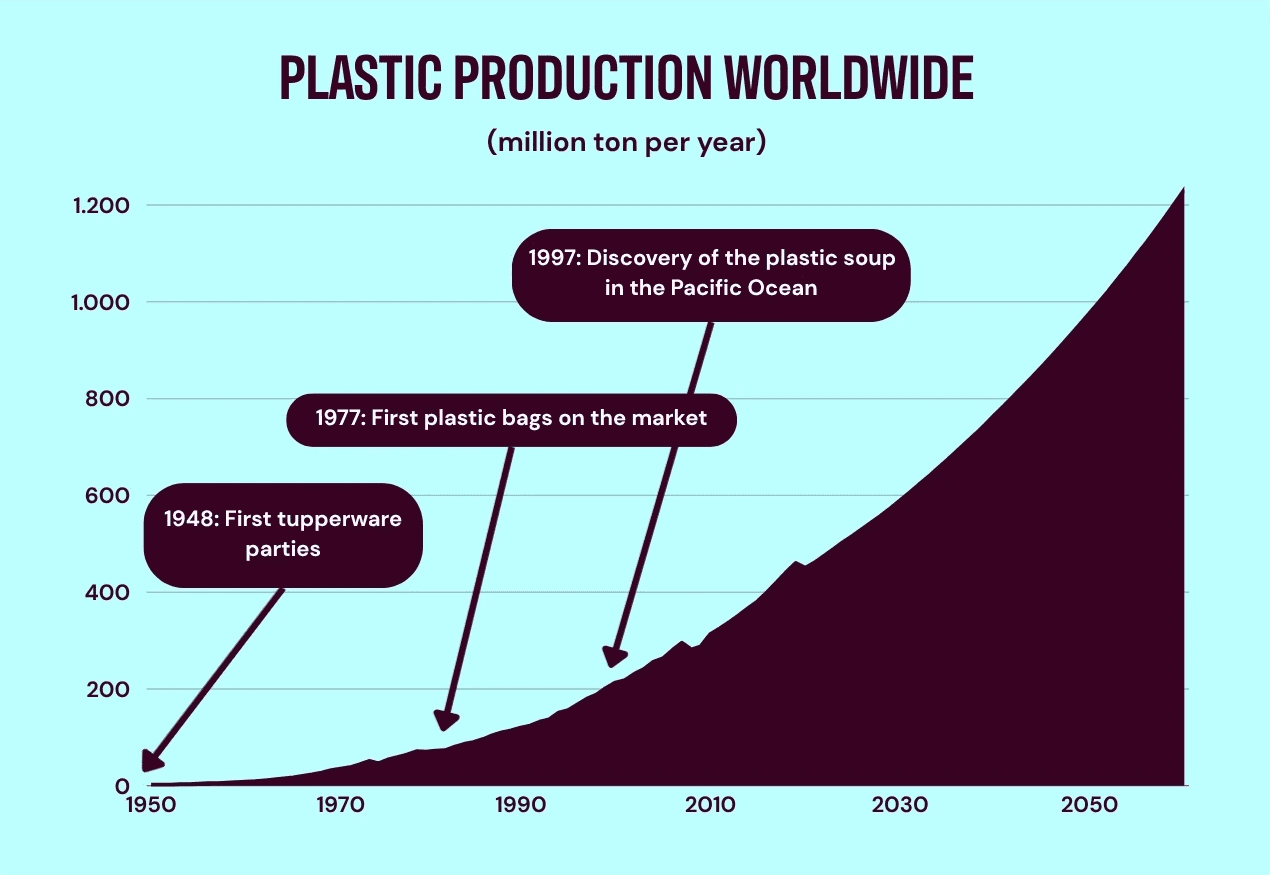
Since the 1950s, global plastic production has grown explosively. And the end is not yet in sight. Our oceans are turning into a plastic soup, microplastics are penetrating every organ of our body, plastic is literally everywhere. We must put an end to the plastic age.

No new plastics plant in Antwerp
Ineos is building one of Europe's largest fossil plastics plants in the Port of Antwerp, right in the middle of the climate crisis. The plant is designed to convert American shale gas into ethylene, the raw material for new plastic, further scaling up plastics production at a time when we should be scaling down. Together with thirteen other organisations, we are fighting a legal battle against this project.
Better EU policies against single-use plastic
EU policies against single-use plastic are nowhere near enough to halt its explosive growth. The Single-Use Plastics Directive mandates that plastic bottles must contain at least 30% recycled material from 2030, and that producers of single-use items such as cigarette filters, balloons and packaging contribute towards the cleanup costs of litter. But that is not enough. FRF wants higher collection targets, a faster phase-out of unnecessary single-use plastic and fewer exemptions. One of our key focus areas is a ban on cigarette filters (which are usually made of plastic).
Microplastics are a major problem
Microplastics, tiny plastic particles smaller than 5 millimetres, are partly caused by the wear and tear of larger plastic products, but are also added to cosmetics, cleaning products, paint, fertilisers and artificial turf pitches. These particles spread through water, soil and air, finding their way into our food, drinking water and the air we breathe. Once inside our bodies, they can cross the gut wall, the lungs, the placenta and even the blood-brain barrier. Studies have now shown that this impacts our fertility, can promote heart failure and a link to brain diseases has been demonstrated. Much is still unknown, but what we do know is enough to eliminate microplastics as much as possible.
Throwing waste over other countries' fences
The Netherlands and Belgium are among the world's largest exporters of plastic waste. Since China closed its doors to foreign waste in 2018, those exports shifted to countries in Southeast Asia and more recently to Turkey, often countries without the infrastructure to process this waste safely. The vast majority is logged as "reuse" or "recycling", but in practice much of this material ends up in illegal landfills, is burned illegally, or simply goes missing. The consequences for local people are severe: polluted water, contaminated soil and unhealthy air. We have therefore been advocating for years for an export ban on plastic waste to countries outside Europe. Whoever generates the waste must also take responsibility for it, and that starts with the capacity to recycle here, rather than passing the bill to countries where poor people pay the price for our waste dumping.
Our world cannot keep running on plastic
A plastics plant that is not built, an end to fossil plastics production, European regulations that prioritise our health over the interests of the fossil fuel industry, fewer microplastics in our bodies, and an end to exporting our waste problem: that is what we are working towards. Not because it is easy, but because the end of the plastic era will not happen on its own.