Multinationals want to sabotage new EU rules against throwaway packaging, we are trying to stop them
Three months before the introduction of new European legislation aimed at reducing single-use packaging, increasing reuse, and ending toxic PFAS in food packaging (Packaging and Packaging Waste Regulation - PPWR), multinationals are still trying to block the rules. While the world is increasingly overwhelmed by packaging waste, 138 CEOs—including those of Heineken, McDonald’s, Coca-Cola, Red Bull, Mondeléz, and Kraft Heinz—are lobbying through a leaked letter to the European Commission, the European Parliament, and the European Council to once again delay and weaken these crucial regulations due to 'ambiguities'. However, our health and environment cannot wait for multi-billion-pound companies that find change difficult. That is why, alongside more than 160 NGOs, we are calling on the European Commission not to give in to these corporations.

This page is automatically translated. A human review will follow soon.
The price of delay: health problems, costs and pollution
The CEOs' letter gives several reasons for their demands. One of the points the companies oppose is the ban on PFAS in packaging, due to claimed uncertainties in testing methods. PFAS are also known as the 'forever chemicals' and can cause serious health problems. Any delay in implementing this ban poses a risk to our health. Moreover, this is nonsense: as Jacob de Boer, emeritus professor specialising in environmental chemistry and toxicology, states in this NRC article, plenty of recognised testing methods exist.
Another claim made by the CEOs is that reuse often yields no environmental benefit and that single-use beverage packaging scores better. These fallacies are put forward because their business model is based on single-use and shifting the costs onto our health, our environment and our wallets.
No new action
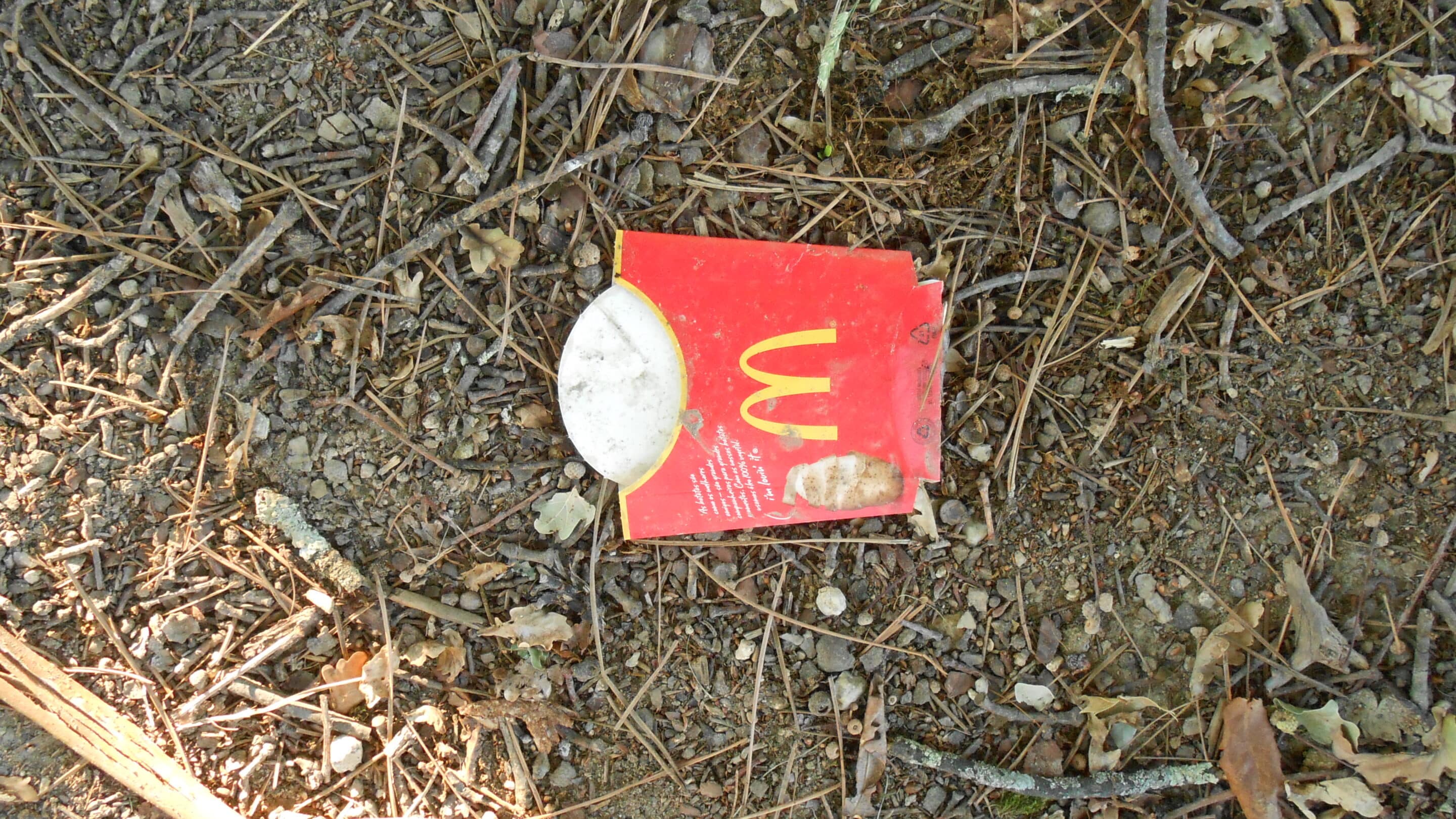
The lobby letter is yet another stealthy attempt by packaging companies and other market players from, among others, the soft drink, fast food, and supermarket sectors to hollow out packaging legislation. Earlier, these companies were already successful: a leaked initial draft of these rules was watered down by an intensive lobbying campaign, led by McDonald’s and its suppliers. The fast-food chain is also deliberately letting its own transition to reusable packaging fail, in order to then pretend that reuse does not work and thus protect its single-use model. The same companies, many of which are among the biggest polluters in the world, also lobbied against measures for less single-use plastic and less litter in the European Single-Use Plastics Directive.
It is also striking that by no means all major players have signed this letter, and therefore may not support this last-minute action.
Unprecedented scale of the packaging market and issues
We are using more and more packaging waste.In 2023, 79.7 million tonnes of packaging waste was produced in the EU, or 177.8 kg per inhabitant. This figure is 21.2 kg higher than in 2013. Of all packaging waste produced, 40.4% consisted of paper and cardboard, 19.8% of (bio)plastic, 18.8% of glass, 15.8% of wood (mainly pallets and crates), 4.9% of metal and 0.2% of other packaging.
The packaging industry is by far the largest consumer of plastic and paper and cardboard. The market for paper packaging materials was estimated at 220 billion euros in 2024 and is expected to reach a size of 300 billion euros by 2033.
The amount of plastic packaging waste is growing much faster than the amount recycled.In 2023, an average of 35.3 kg of plastic packaging waste was produced per EU inhabitant. Of this, 14.8 kg was recycled. Between 2013 and 2023, the amount of plastic packaging waste produced rose by 6.4 kg per capita, while the amount recycled increased by 3.8 kg.
More single-use packaging means more litter.For decades, packaging, along with cigarette filters, has completed the top 10 (!) of most commonly found items in litter worldwide, think of: bottles, caps, cups, plates, food containers and bags.
Broad coalition of NGOs shows counter-voice
In the letter below, Fair Resource Foundation and 160 other environmental and health organisations call on the European Commission to fully implement the new packaging policy, which was previously already watered down, as planned. The introduction of these rules (the PPWR) is essential to reduce packaging waste, tackle litter, protect our health from toxic PFAS packaging and start putting an end to Europe's throwaway economy. In doing so, we build the road to a cleaner and fairer world with lower costs to society (think of waste management, litter, environmental pollution and health) and improved living and working conditions for waste pickers worldwide.
Read our signed letter and the press release from the Break Free From Plastic network.